
Becker (Elizabeth) Democratic Kampuchea Collection: Cambodia under the Khmer Rouge
Other Resources
- Rithy Panh and Elizabeth Becker on Meeting with Pol Pot | Rendez-Vous with French Cinema 2025 at the Lincoln Center
- Age of the Kampuchea Picture: Rare Witness |A Video Installation and Study Guide Honoring the Visits to UW of Rithy Panh and Elizabeth Becker
- The Day I Met Pol Pot: A Journalist's Chilling Journey into Khmer Rouge Cambodia | Death in Cambodia Podcast
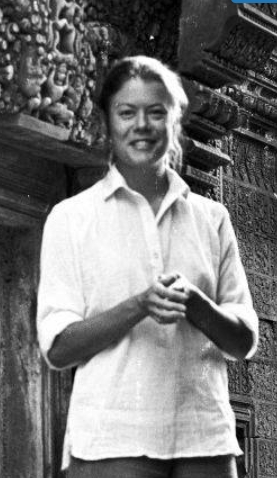
Elizabeth Becker is an award-winning journalist and University of Washington alumna who worked for the New York Times, National Public Radio, and the Washington Post. She covered the Cambodian Civil War in the 1970s for the Washington Post and was one of the very few journalists from the mainstream western media to visit Democratic Kampuchea under the Khmer Rouge. She was one of only two journalists to interview Pol Pot while he was in power, and that audio recording, along with her interviews with Ieng Sary and his wife, are part of her collection.
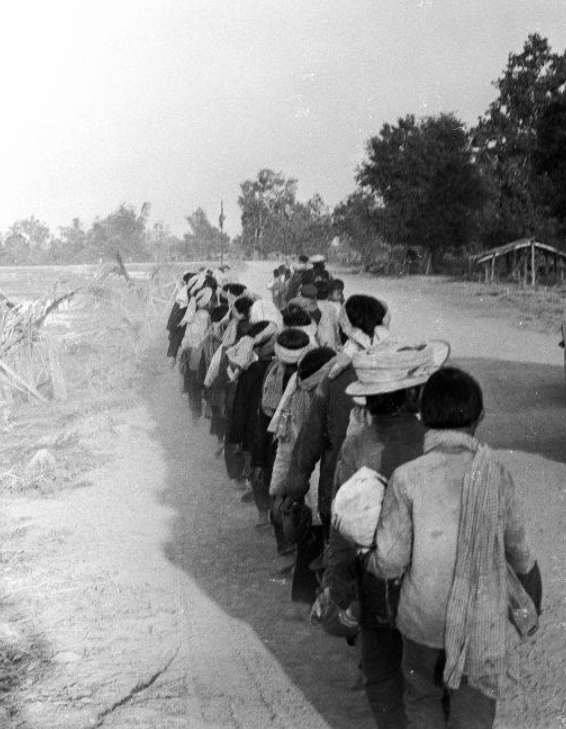
The documents and photographs in this collection are from her visit to Democratic Kampuchea in late 1978, just weeks before Vietnamese forces overthrew the regime. The documents were donated to the University of Washington Libraries in 2013, at a time when Becker had been called to testify as an expert witness before the UN-backed Khmer Rouge genocide tribunal, which she did in 2015. She understood the importance of permanently archiving the sources on which her testimony was based at an institution where they would be preserved and could be consulted. With her on this historic trip were Richard Dudman, a diplomatic correspondent with the St. Louis Post-Dispatch, and Malcolm Caldwell, a scholar of Southeast Asian economic history at the School of Oriental and African Studies, London University. Early morning on the last day of their two-week stay in Kampuchea, armed militia broke into their hotel and killed Caldwell, who is featured in some of her photographs. Neither the motive, nor the culprits were definitely determined, but it was presumed that his support (as a British Marxist) for the Vietnamese Stalinist regime, at a time when Viet Nam was vilified as the Khmer Rouge’s principal enemy, was most likely a motive. Becker speculates that it was more likely dissident factions within the Khmer Rouge military who wished to warn off any future investigative delegations.
In 1986 Becker published When the war was over: the voices of Cambodia's revolution and its people, a political history of the Khmer Rouge period that was informed by her years of reporting and her experiences in Democratic Kampuchea.
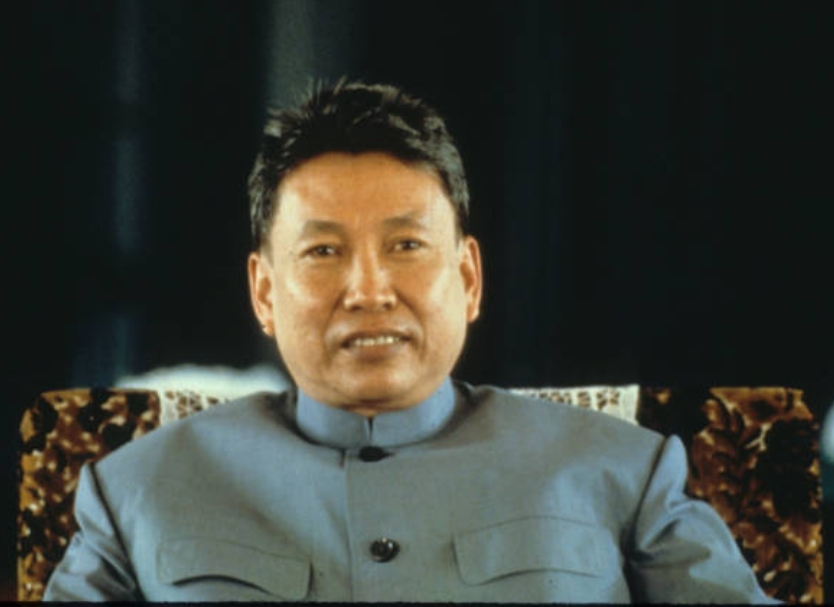
The publication led to a collaboration with French-Khmer filmmaker Rithy Panh, himself a survivor of the Khmer Rouge labor camps. Rithy Panh was moved by a story in the book of a young woman whose dossier Becker had discovered in the Tuol Sleng Genocide Museum archives in Phnom Penh in 1981. Hout Bophana was a victim of the infamous S-21 detention camp who died for the crime of writing secret letters to her revolutionary husband. Her story was immortalized in Rithy Panh’s 1996 documentary, Bophana: A Cambodian Tragedy and Becker’s 2010 book Bophana: love in the time of the Khmer Rouge.
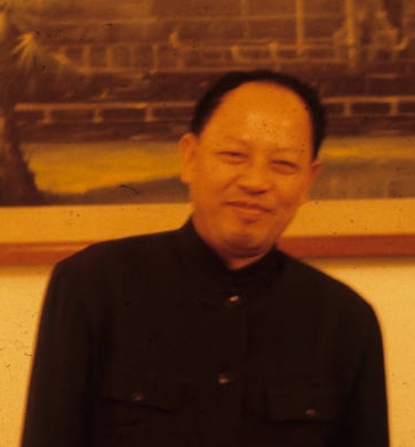
In 2006 Becker collaborated with Rithy Panh in establishing the Bophana Audiovisual Resource Center in Phnom Penh, named in memory of Hout Bophana. The aims of the Center are to teach young Cambodians about Khmer history and to use filmmaking as a means of fostering public education and reconciliation. It was in order to share the photographs and documents from her 1978 trip with the Bophana Center that they were digitized by the University of Washington Libraries. Her collaboration with the filmmaker continued: Rithy Panh’s 2025 film Meeting with Pol Pot is a fictionalized account of Becker’s 1978 trip, as recounted in her 1986 book.
Becker also published America's Vietnam War: a narrative history (1992) and Overbooked: the exploding business of travel and tourism (2016). Her most recent book, You Don't Belong Here: How Three Women Rewrote the Story of War (2021) is an award-winning biography detailing the careers of three female war correspondents: Catherine Leroy, Frances FitzGerald, and Dickey Chapelle.